
Our climate has been shifting in ways that appear more unpredictable than usual. That said, there are ways to adapt that can be more beneficial. Whether it is the food we chose or the need to accommodate for the finicky weather, there are ways to support your health and wellbeing.
Look to nature to teach us and nourish us. What is fresh and blooming in your community? If you live near a stream, notice what leafy greens are growing nearby. Here in Albuquerque, we see watercress and horsetail growing near the ditches called acequias. In our yards without Round up, there are dandelions. This is an invitation to consider adding watercress or dandelion greens to your diet during this time.
One often hears to ‘eat local’ and this is an opportunity to do so.
With this caveat before you harvest the watercress near the ditch, do ask yourself what sludge from what nearby fields is in the water thus impacting the quantity of herbicides in that bit of watercress. I might consider getting the watercress at the market or the farmer’s market once you know where it was harvested.
Springtime is for cleansing and fasting at a level that is appropriate for you, based on your health and dosha/constitution. Adding bitter or astringent herbs or vegetables is a step towards the cleanse. Astringent foods support our digestive system. Green beans, okra, Brussel sprouts and watercress are few common vegetables in our stores. Of course, the leafy greens are in this category, but they are often available year-round now. Fruits would be cranberries, pomegranates, and persimmons.
For drinks, consider switching the soda for green tea or herbal tea such as dandelion tea.
This is the one time of year that adding raw fruit or vegetables can be supportive for us. As you may recall, cooked vegetables are preferred in Ayurveda. Ways to do this could include a bowl of fruit for the morning routine or later afternoon. A small salad as a side dish for lunch, but never as the main dish as it can provoke Vata dosha which leads to increased anxiety, gas/bloating due to the coldness of the food in a salad. Adding steamed/cooked/baked vegetables with some olive oil does calm the Vata qualities of the salad. Cooking with ginger, pepper and/or garlic can support the Kapha challenges during spring. Again, it is good to be aware of your own dosha challenges. For example, a Pitta (fire and some water) person would want to limit spicy foods and not too much garlic.
As I shared in my last blog, find movement that you enjoy.
That helps to move the stagnation in our bodies that can come from wintertime. The more north one lives, the harder it is to get out due to the wind, ice and mud. This time of year is ideal to move as it is not too hot and the fields or woods are not overgrown yet.
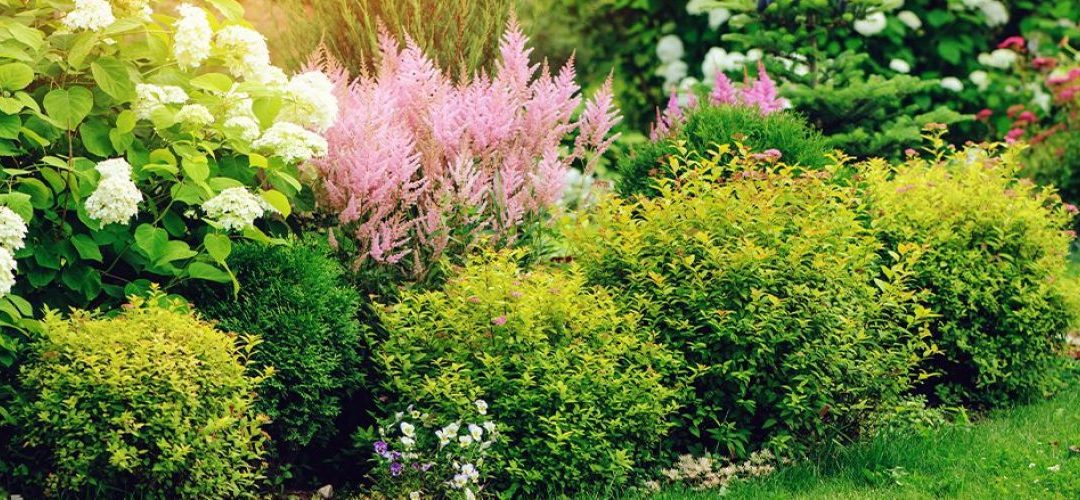
So, move your body, chose food that support a mild detox or simply, skip a meal if possible. Walk on the green grass to ground you and support your entire being. Take time to notice the beauty of late spring around you. The roses are so happy this time of year!
Stay hydrated. Be gentle with yourself and those around you. A bit of lovingkindness towards ourselves impacts all around us. What a gift that is, during these trying times.
In good health, love and light,
Judith
References
Weis-Bohlen, S. Seasonal self-care guides. Tiiler Press. 2020.
Kucera, S. The Ayurvedic Self-care Handbook: Holistic Healing Rituals for every day and season. The Experiment. 2019.


